
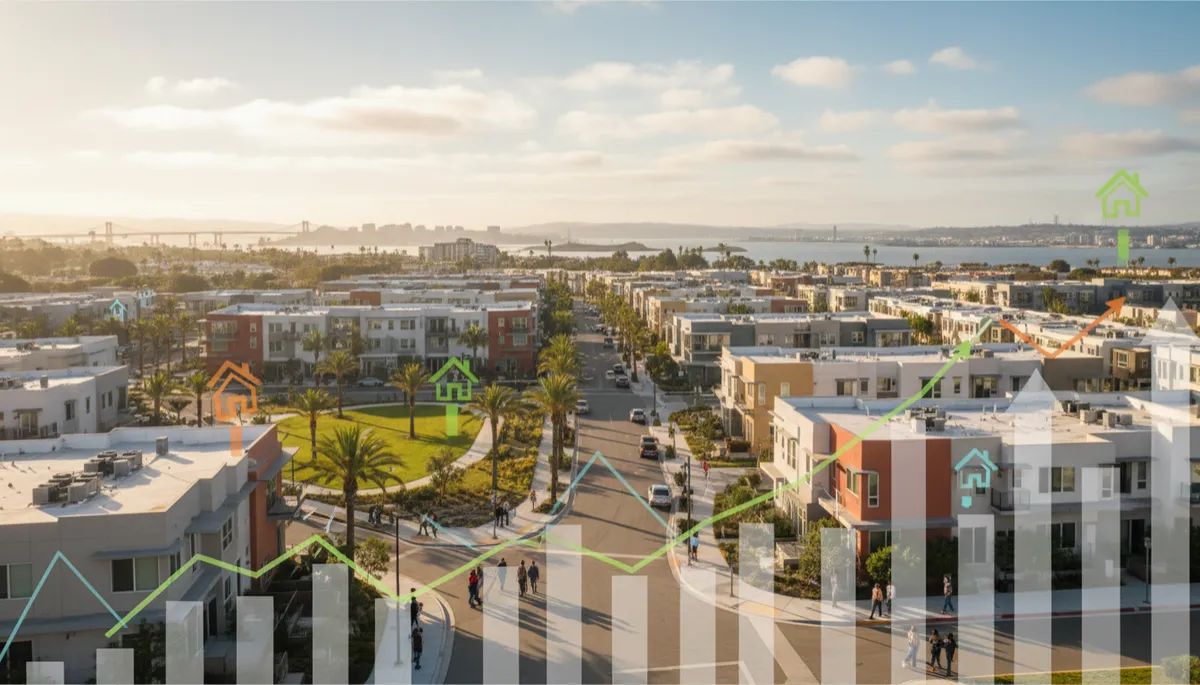
Chula Vista Housing Market 2026: Trends & Insights
Real Estate, Chula Vista Housing Market 2026
The Chula Vista Housing Market: Opportunities and Challenges in 2026
For Chula Vista homeowners, 2026 is shaping up to be a year of transition. Prices remain high by any historical standard, inventory is still tight, and yet the market is no longer moving at the frenzied pace of the pandemic boom. Understanding where things stand now can help you decide whether to sell, buy, hold, or simply plan ahead.
Current State of the Chula Vista Housing Market
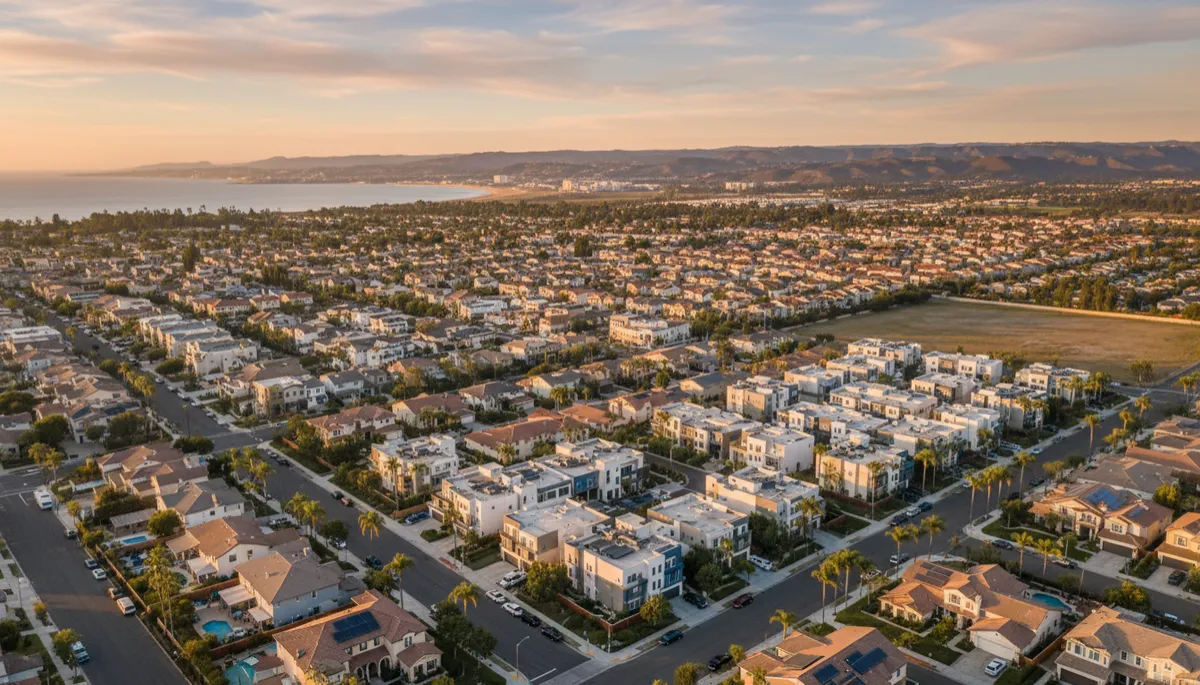
As of late spring 2026, most data sources place Chula Vista’s median home price roughly between $800,000 and $825,000. Redfin reported a March 2026 median sale price around $800,000, down about 3.9% year over year, while Zillow’s Home Value Index shows a typical value near $849,000, off 1.4% from last year. Realtor.com’s March snapshot puts the median sale price at $799,000, with homes taking a median of 33 days to sell.
April data suggests renewed momentum. One local report shows the median sale price rising to about $825,000, a 6.5% jump from March, even as the number of closed sales fell and days on market increased. WalletInvestor projects average prices edging toward $844,000 by June 2026, with modest appreciation of 2–4% expected through the rest of the year (Houzeo, WalletInvestor).
The picture is nuanced at the neighborhood level. Downtown Chula Vista has seen some of the strongest appreciation—roughly 18% year over year, with a median sale price around $715,000 and homes selling in just over a month. East Chula Vista, by contrast, often posts prices between the high $900,000s and well above $1.5 million, particularly in newer master-planned communities. West Chula Vista typically sits slightly below East but still commands a premium, with median prices near the low $900,000s.
Inventory Levels: Still Tight, but Easing at the Margins
For homeowners, the most important structural factor in 2026 remains limited inventory. Houzeo estimates that Chula Vista had only 243 homes available in April, representing roughly 0.68 months of supply—far below the 4–6 months considered a balanced market. That level of scarcity strongly favors sellers and helps support prices, even as buyer demand cools from peak levels (Houzeo, April 2026).
Other platforms report higher listing counts—Realtor.com noted about 513 active listings in March, Zillow counted roughly 360 at the end of April, and another local report cited 459 active listings. Differences reflect data collection methods, but the message is consistent: Chula Vista does not have enough homes for sale to satisfy underlying demand, especially in desirable pockets of Eastlake, Otay Ranch, and the revitalized downtown corridor.
Buyer vs. Seller Conditions in 2026
Despite some softening in prices and longer days on market, Chula Vista remains, by most measures, a seller’s market. Sale-to-list ratios around 99–100% and the fact that roughly 45% of homes still sell above asking price indicate that well-priced, well-presented properties retain strong negotiating power (Houzeo, Cash For Houses CA).
At the same time, buyers are becoming more selective. Days on market range from about 16 days to pending (Zillow) to 41–50 days in some reports, signaling a market in transition. Offers may include more contingencies than during the pandemic surge, and price reductions are no longer rare. For homeowners, this means you can still achieve strong prices, but strategy matters—accurate pricing, professional marketing, and condition are increasingly critical to attracting multiple offers.
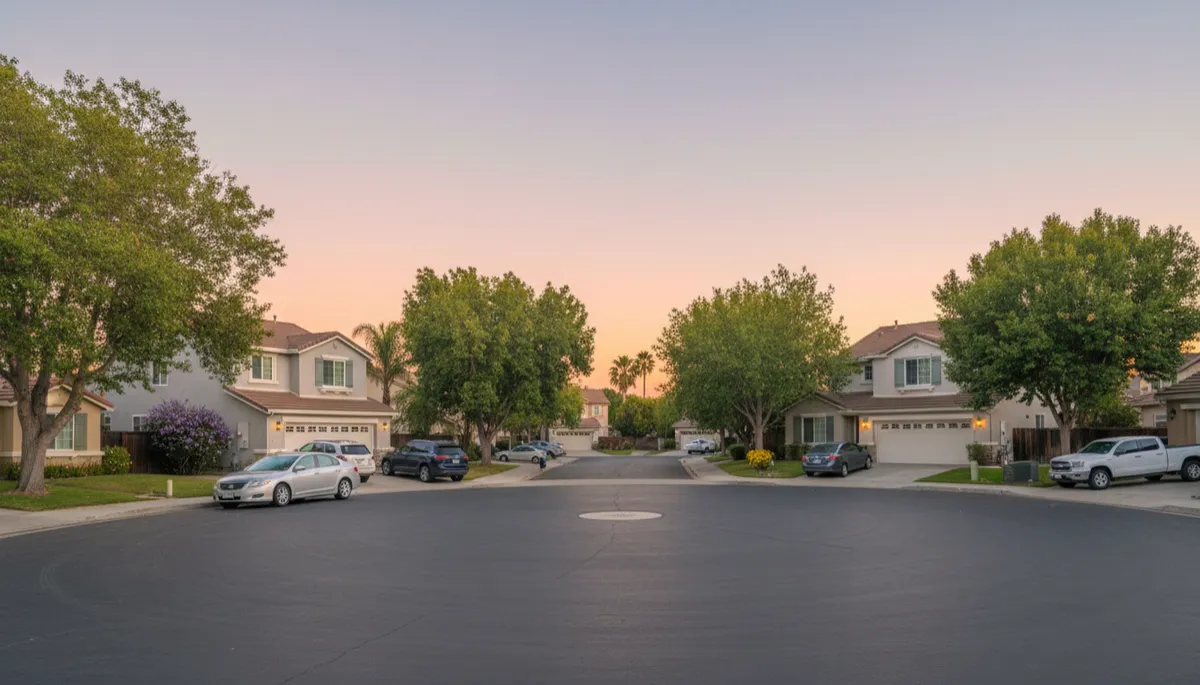
Low inventory keeps well-maintained Chula Vista homes in high demand through 2026.
Affordability Pressures for Local Households
From an affordability standpoint, Chula Vista is firmly in “high-cost” territory. With a median home price around $800,000 and a median household income near $105,000, the price-to-income ratio is roughly 7.6 times—far above the traditional 3–4 times guideline for sustainable ownership (SearchListingsSanDiego.com). For many local families, that gap makes moving up, downsizing, or helping adult children into the market challenging.
Estimated monthly costs for a typical purchase—assuming 20% down and a conventional mortgage—often exceed $3,900 per month, compared with median rents in the $2,300–$3,000+ range, depending on unit size and neighborhood (Realtor.com, RentCafe, Rentometer). Renting is also expensive, frequently consuming 30% or more of household income, but for many residents it remains more attainable on a monthly basis than buying.
For existing homeowners, these affordability pressures are a double-edged sword. On one hand, they support strong property values and equity growth. On the other, they can limit the pool of qualified buyers—especially for higher-priced homes—and make it difficult for family members or long-time renters to stay in the community without financial assistance or access to local down payment programs.
New Developments and Growth Corridors
New construction continues to reshape parts of East and South Chula Vista. Master-planned communities in areas like Eastlake, Otay Ranch, and Millenia add a mix of single-family homes, townhomes, and higher-density options. These projects bring modern amenities, energy-efficient construction, and community features that appeal to move-up buyers and professionals commuting into San Diego or the border region.
At the same time, infill and mixed-use developments near downtown and along key corridors aim to add housing while supporting walkability and local businesses. For nearby homeowners, these projects can enhance neighborhood vibrancy and long-term values, though they may also bring short-term construction impacts and increased traffic.
Opportunities for Chula Vista Homeowners and Buyers
For current homeowners, the 2026 market offers several clear opportunities:
- Strong equity positions: Years of appreciation have left many owners with substantial equity, enabling strategic moves such as rightsizing, investing in a second property, or consolidating debt through a sale or refinance.
- Seller leverage in key neighborhoods: In-demand pockets of East Chula Vista and revitalized downtown areas still command multiple offers when homes are priced correctly and presented well.
- Investment potential: Modest but steady price growth forecasts, combined with strong long-term fundamentals in the broader San Diego region, make well-located Chula Vista property an attractive long-term hold.
For buyers—especially those already local—opportunities lie in patience and preparation. A slightly slower pace means more room for inspections, negotiation around repairs, and occasionally securing homes below peak pricing. Accessing local and regional down payment assistance programs, locking in pre-approvals, and targeting neighborhoods where new supply is coming online can improve your odds of success.
Key Challenges to Watch in 2026
The same forces creating opportunity also present real challenges for Chula Vista residents:
- Affordability strain: High prices relative to income make it difficult for first-time buyers and can limit mobility for existing owners who might otherwise move within the city.
- Interest rate sensitivity: Even modest rate increases can significantly affect monthly payments at today’s price levels, shrinking the buyer pool and pressuring sellers to adjust expectations.
- Inventory imbalance: Low resale inventory, combined with new construction that often targets higher price points, leaves limited options for middle-income households and move-down buyers seeking single-level or smaller homes.
Working with a local real estate professional who closely tracks neighborhood-level data, new development pipelines, and financing options can help you navigate these opportunities and challenges and make decisions that align with your long-term goals in Chula Vista.

BOOK AN APPOINTMENT WITH US TODAY!
What Our Clients are Saying

Martin Barros