

San Diego Home Values: 2026 Trends & Insights
Real Estate, San Diego Home Values
Understanding San Diego Home Values: Trends and Insights for Local Homeowners
A clear, data-driven look at where San Diego and Chula Vista home values stand in 2026, what is driving prices, and how local homeowners can think strategically about their equity.
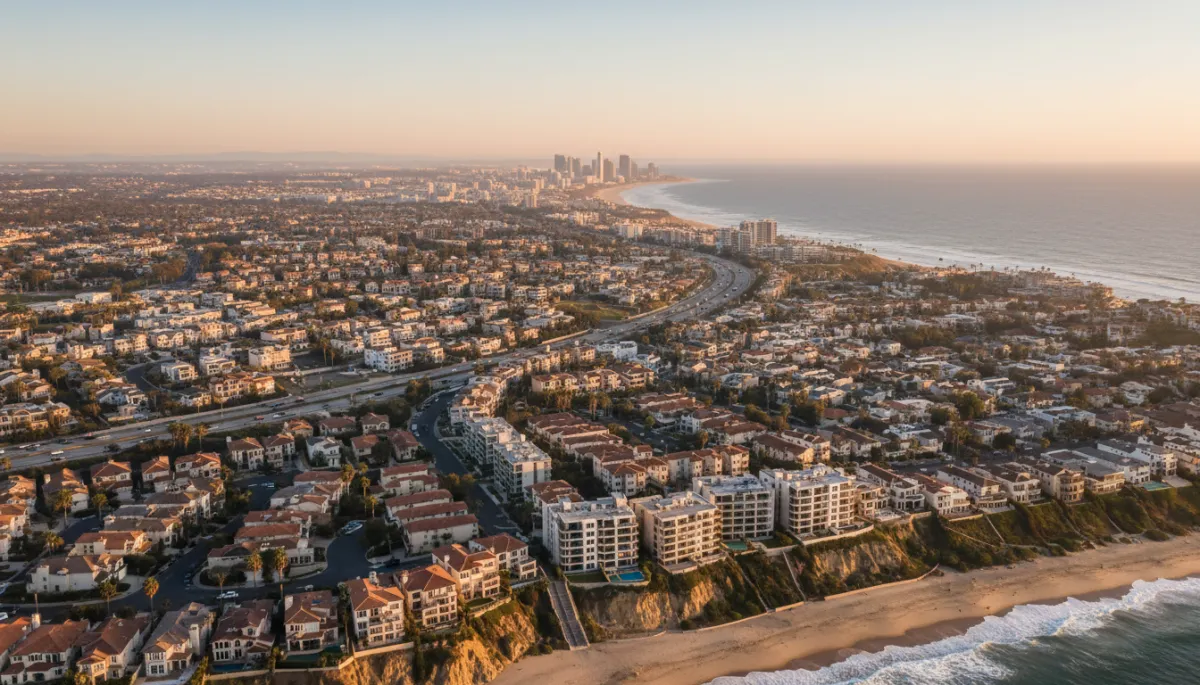
A Data-Driven Snapshot of Today’s San Diego Home Values
As of mid‑2026, San Diego County remains one of the most valuable housing markets in the country, but the pace of appreciation has clearly cooled from the rapid run‑up of 2020–2022. Countywide, detached single‑family homes are hovering around a median sale price of roughly $1.1 million (about $1,099,500 in May 2026), essentially flat year‑over‑year but still near record highs, according to sdhousingmarket.com. Forecasts from several local analysts call for a modest 2–5% price increase through the end of 2026, not a sharp correction.
Importantly, detached homes and condos are no longer moving in lockstep. Detached homes have seen consistent but modest appreciation of roughly 2–2.4% year‑over‑year in early 2026, while attached homes (condos and townhomes) have posted small price declines in the 1–4% range over the same period. This “two‑track” market is essential context for any homeowner evaluating their property’s current value and longer‑term potential.
Pricing Trends by Neighborhood: From the Coast to Chula Vista
Within San Diego, neighborhood differences are striking. Recent analyses show a wide spread between coastal, urban‑core, and more affordable inland communities:
- Coastal premiums: La Jolla commonly ranges from about $2.5–$2.7 million, while Point Loma often falls between $1.6–$1.9 million, and Pacific Beach hovers around $1.3 million for detached homes (sd‑cash‑buyer.com).
- Urban core: Neighborhoods like North Park and University Heights typically sit closer to the county median, with many homes trading in the $800,000 to $1.05 million range, depending on size and condition.
- More affordable pockets: Areas such as City Heights and Linda Vista can see prices from the mid‑$500,000s to the mid‑$800,000s, offering relative value but with strong competition for well‑priced listings.
In Chula Vista, the picture is different but equally nuanced. As of May 2026, the median home value is around $735,000, up approximately 4.8% year‑over‑year, with values up more than 26% over the past five years, according to amortio.com. Yet, other sources such as Redfin and Zillow show minor year‑over‑year declines, underscoring how individual property type and location can skew the averages.
- West Chula Vista (91910): Median prices around $916,500, with many single‑family homes in the high‑$600,000 to $900,000 range.
- East Chula Vista: Master‑planned communities like Eastlake and Otay Ranch often range from the mid‑$800,000s up to roughly $1.2 million, while some 91914 properties can reach $1.6 million+ (loveryrealestate.com, sdhomesbycassaundra.com).
- Downtown Chula Vista: A notable bright spot, with a median around $715,000 and roughly 18% annual appreciation, plus relatively quick sales at about 32 days on market (cardenasandcompany.com).
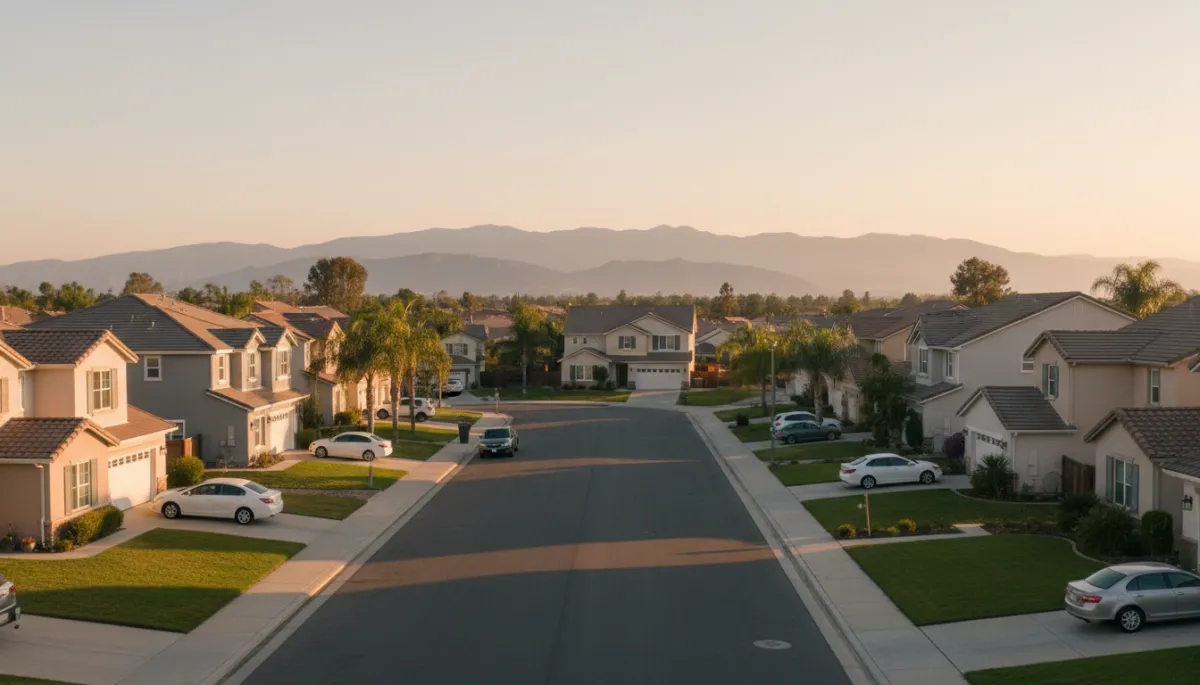
Neighborhood and zip code differences can shift home values by hundreds of thousands.
What Is Driving Home Prices in 2026?
Several structural forces are shaping today’s values for San Diego and Chula Vista homeowners. Understanding these drivers can clarify whether your price gains feel sustainable or fragile:
- Limited supply of detached homes: Detached inventory across the county has fallen more than 20% year‑over‑year in multiple recent reports, with months of supply often near or below two months. This scarcity keeps a floor under single‑family prices even as demand cools.
- Higher but stabilizing mortgage rates: Rates around 6–6.4% have reduced buying power and pushed more households to the sidelines. At today’s prices, only about 17–18% of San Diego households can afford the median‑priced home (PNC and sd‑cash‑buyer.com), which tempers bidding wars but has not triggered broad price declines.
- Strong local jobs and income growth: Nonfarm employment in the region continues to grow, and average hourly earnings are up more than 7% year‑over‑year, supporting underlying housing demand even in the face of affordability challenges (PNC regional analysis).
- Condos under pressure from new rental supply: Thousands of new apartments delivered in 2025 and 2026 have slightly eased rental pressure, which in turn softens demand for some entry‑level condos. That helps explain why attached home prices are flat to down slightly, even as detached homes hold their value.
Equity Growth: How Much Have Local Homeowners Gained?
Despite the recent plateau, long‑term homeowners in San Diego and Chula Vista have seen substantial equity gains. Since early 2020, San Diego home prices have risen roughly 66–67%, outpacing the national average of about 54%, according to PNC’s 2026 report. Even a homeowner who bought in 2018 or 2019 is likely sitting on significant unrealized equity today.
In Chula Vista, amortio.com estimates a 26.4% increase in median value over the past five years. For many households, that translates to six‑figure gains on paper. However, equity is not static. It can grow through continued appreciation and principal pay‑down, but it can also erode if the broader market softens or if a property falls behind local standards in condition or upgrades.
What San Diego and Chula Vista Homeowners Should Know About Their Property’s Value
With headlines often contradicting one another, it can be difficult to translate market data into a clear picture of your own home’s value. The following principles can help local homeowners make informed decisions:
- Your micro‑market matters more than the county average. A detached home in Eastlake or Otay Ranch will not follow the same pricing pattern as a condo in Downtown San Diego or a bungalow in City Heights. Focus on comparable properties within a tight radius and similar age, size, and condition.
- Property type is critical. Detached homes are in a seller‑leaning environment with low inventory and relatively quick sales. Condos and townhomes, by contrast, face more competition and slightly longer days on market, which can require sharper pricing or improved presentation to achieve top dollar.
- Condition and presentation drive the “two‑tier” market. Well‑priced, move‑in‑ready homes in desirable school districts still attract multiple offers. Overpriced or dated homes in the same neighborhood can sit for weeks and require price reductions. In a slower, more analytical market, buyers are less willing to overlook deferred maintenance.
- Online estimates are a starting point, not a final answer. Automated valuations rarely account for recent renovations, views, lot usability, or subtle neighborhood boundaries that matter in San Diego and Chula Vista. A data‑driven comparative market analysis (CMA) from a local professional typically provides a more accurate range.
Positioning Your Home for the Next 12–24 Months
Looking ahead, most forecasts suggest steady but moderate appreciation rather than another surge. For San Diego and Chula Vista homeowners, that environment rewards clarity and planning. If you are considering selling, it may make sense to:
- Review your equity position and potential net proceeds after paying off your mortgage and selling costs.
- Evaluate light, high‑impact updates—paint, flooring, landscaping—that align your home with current buyer expectations in your price bracket.
- Price strategically within the range supported by recent comparable sales, recognizing that buyers are more rate‑sensitive and analytical than they were a few years ago.
If you plan to hold, consider how your current equity can support long‑term goals—whether that is funding future renovations, helping children with down payments, or eventually downsizing within San Diego County or staying rooted in Chula Vista. In a complex but fundamentally resilient market, informed decisions—not short‑term headlines—should guide how you think about your home’s value.

BOOK AN APPOINTMENT WITH US TODAY!
What Our Clients are Saying

Martin Barros